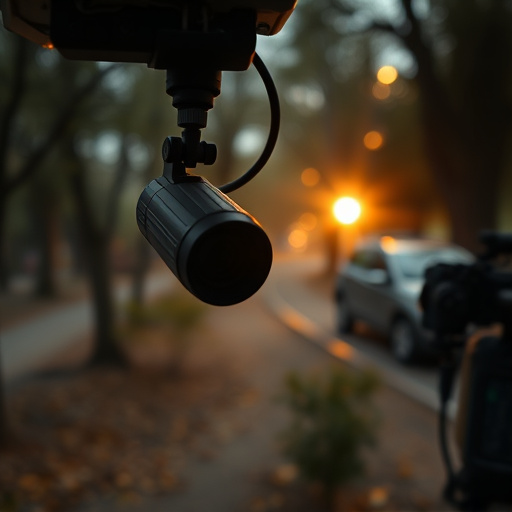
Employing tiny cameras requires a deep understanding of local laws regarding hidden camera placement, with strict penalties for illicit use but legitimate applications in security and investigations. Choosing everyday objects like books or plants for stealthy positioning ensures discretion and high-quality footage. Creative strategies using these objects capture candid moments artfully. Integrating cameras into items like smoke detectors or stabilizing them with natural elements maintains secrecy while optimizing video quality. However, the potential for abuse highlights the need for ethical guidelines and legal frameworks to protect privacy and trust in stealthy camera positioning strategies.
Uncover the art of concealment with our comprehensive guide on tiny camera placement using everyday objects. From legal considerations to ethical dilemmas, we explore the fine line between privacy and observation. Learn how to transform ordinary items into sophisticated hiding places for your hidden cameras, utilizing innovative stealthy camera positioning strategies. Maximize video quality while navigating legal waters and understanding the implications of this powerful tool.
- Understanding Legal Considerations for Hidden Cameras
- Choosing the Right Everyday Object for Concealment
- Creative Stealthy Camera Positioning Techniques
- Maximizing Video Quality in Discreet Setups
- Ethical Implications of Using Hidden Cameras
Understanding Legal Considerations for Hidden Cameras
When exploring the use of tiny cameras for concealment, it’s imperative to grasp the legal landscape surrounding this technology. Different jurisdictions have distinct rules regarding hidden camera placement, primarily focusing on privacy rights and consent. In many places, capturing images or video of individuals without their knowledge or permission is illegal and can lead to severe consequences, including fines and imprisonment.
However, there are legitimate use cases for stealthy camera positioning strategies, such as in security systems, surveillance, or legal investigations where consent is obtained or circumstances dictate their deployment. Understanding these legal considerations is crucial for responsible usage, ensuring compliance, and avoiding potential legal pitfalls associated with hidden cameras.
Choosing the Right Everyday Object for Concealment
Choosing the right everyday object for your stealthy camera positioning is key to successful surveillance. Consider items that are already part of your environment, like a book, pen, or even a plant. These objects blend in naturally and don’t attract attention. When selecting, think about the camera’s field of view—how much area it can capture—and ensure the object allows for optimal placement.
A well-chosen object should also provide stability. It should be sturdy enough to hold the camera securely, preventing shaking or movement that could compromise footage quality. Additionally, consider accessibility; you want to be able to easily attach and remove the camera as needed.
Creative Stealthy Camera Positioning Techniques
In the realm of stealthy camera positioning, creativity is key. Beyond simply hiding a camera in plain sight, expert photographers employ innovative strategies to capture unseen moments while maintaining discretion. Consider the everyday object as your canvas—a unique backdrop that can transform into an effective camera hideout. For instance, placing a camera inside a book on a shelf or integrating it within a potted plant offers both cover and opportunity for candid shots.
These stealthy camera positioning strategies require a keen eye for detail and an understanding of composition. By utilizing common household items as both camouflage and support, you can capture authentic moments without raising suspicion. From using a magnifying glass to frame a scene or discreetly attaching a camera to a doorknob, each technique adds a layer of artistic flair while maintaining the element of surprise—perfect for documenting life’s subtle intricacies in a unique, concealed manner.
Maximizing Video Quality in Discreet Setups
When setting up a tiny camera for discreet recording, prioritizing video quality is essential to capture clear and compelling footage. One effective strategy is to employ stealthy positioning techniques that take advantage of everyday objects. For instance, mounting a camera inside a seemingly innocuous item like a smoke detector or a clock radio can go unnoticed while providing a stable and hidden vantage point. Additionally, utilizing natural elements such as potted plants or bookends not only camouflages the camera but also adds a layer of realism to your setup.
To enhance video quality further, consider using a wide-angle lens if space allows, as it captures more of the scene without appearing obtrusive. Lighting is another critical factor; natural light is ideal, but you can also use small LED lights or reflectors strategically placed to avoid shadows and ensure consistent illumination. Experimenting with different angles and distances from your subject will help optimize both composition and clarity, making your discreet setup a true game-changer for capturing high-quality footage without drawing attention.
Ethical Implications of Using Hidden Cameras
The use of tiny, hidden cameras raises several ethical considerations that must be addressed. While innovative technologies like stealthy camera positioning strategies can offer valuable insights and security measures, they also pose significant privacy risks. Installing surveillance equipment in such a subtle manner that it goes unnoticed by individuals whose activities are being recorded can lead to a culture of constant surveillance, eroding trust and personal freedom.
Moreover, the potential for abuse is a primary concern. Hidden cameras could be used to invade the privacy of unsuspecting people, whether in public spaces or private homes, leading to serious ethical dilemmas. It’s crucial that any deployment of such devices adheres to strict legal frameworks and ethical guidelines, ensuring transparency, consent, and proportionality in their use.
In conclusion, while tiny camera concealment within everyday objects offers exciting opportunities for surveillance and documentation, it’s crucial to navigate legal considerations, employ creative stealthy camera positioning strategies, and maintain ethical awareness. By understanding these aspects, you can harness the power of hidden cameras responsibly, ensuring high-quality video evidence while respecting privacy and adhering to the law.